AI Is Changing How We Write, Decide, Trust, and Think
As we hit nearly three years of mass LLM adoption, the tiny shifts sneaking into our everyday life are getting harder to ignore. They are small today, but won’t stay so for long.
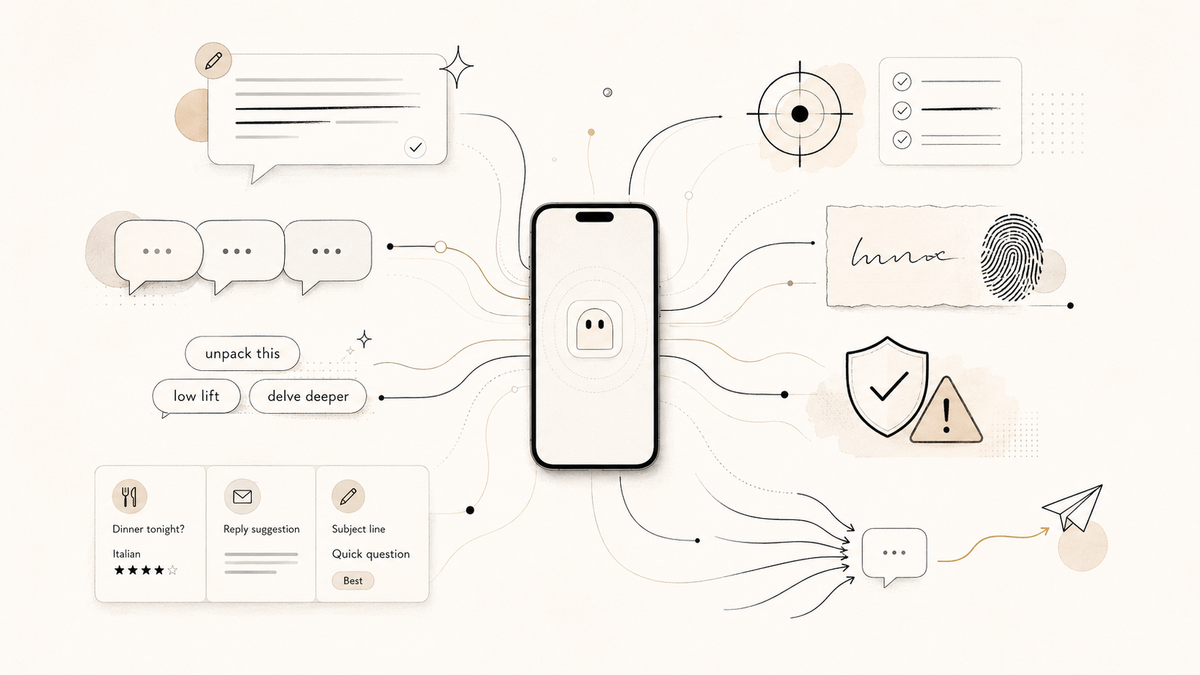
The first is an unexpected upgrade in everyday output. Everyone from store owners to housekeepers is writing clearer messages. Customer service teams are suddenly sounding sharper.
A quiet “extra mile” is becoming normal because people have a co-pilot on tap. The floor is rising fast. But everyone is starting to sound the same, and individuality and empathy are fading. It’s getting harder to tell humans apart.
Language is evolving. We now talk in an emerging AI dialect: “delve deeper,” “unpack this,” “low lift”. These phrases weren’t in our spoken vocabulary three years ago. AI is quietly evolving not just how we speak and write, but ultimately also how we think.
Micro-outsourcing is real. Subject lines, restaurant picks, tricky text replies. People hand off small decisions to AI. Done right, it frees mindshare for bigger decisions. Done wrong, it dulls the small muscles that shape taste, judgment, and originality.
Precision is becoming a social norm. When you carry an instant-clarity engine in your pocket, vague instructions or fuzzy descriptions feel off. The upside is fewer misunderstandings. The downside is lower patience for ambiguity.
Then there’s the counter-move: adding human fingerprints. Tiny quirks, imperfect phrasing, little idiosyncrasies, a lack of em-dashes. As AI smooths everything, we have to try harder to signal “this came from me.” Authenticity is becoming something we actively need to ensure.
Trust is shifting. Phishing messages are getting more compelling. Real videos are getting mistaken for AI. Online reviews feel more engineered than ever. Verification is becoming a core necessity with anything digital.
And one of the most important implications for founders and investors: consensus is getting amplified. If everyone uses similar models on the same inputs, they congregate onto the same conclusions.
Being “non-consensus and right” now has more value than ever.
The real opportunity will belong to people who use AI as a starting point, not an ending point. Those who use AI to widen the search space, not collapse it.
AI will slowly but dramatically amplify the gap between people who stay intentional and people who drift into passive dependence.
The next few years will reward those who stay curious, stay human, and use AI tools as leverage, rather than crutches.
And as the rough edges and serendipity of pre-AI life soften with time, fresh pockets of magic will appear in ways we don’t fully recognize yet.